
 ★ 8.0Jurassic Park1993
Gototub: movies of the video-shop years, 1990 to 2005, from Jurassic Park, Groundhog Day and Notting Hill to A Beautiful Mind, Elf and Hitch, and where to watch them
172 films from 1990 to 2005, each with its cast, its director and a Watch now button.
Most rentedView more (172) »
★ 8.0Jurassic Park1993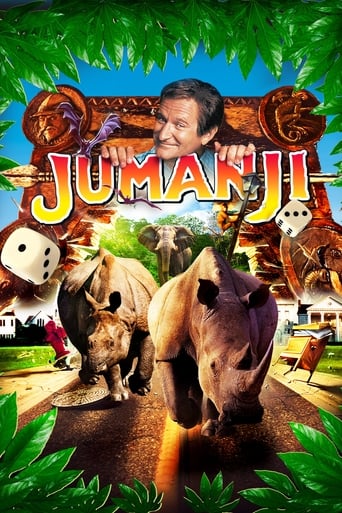 ★ 7.2Jumanji1995
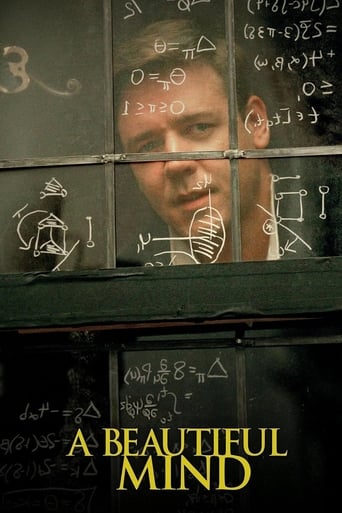 ★ 7.9A Beautiful Mind2001
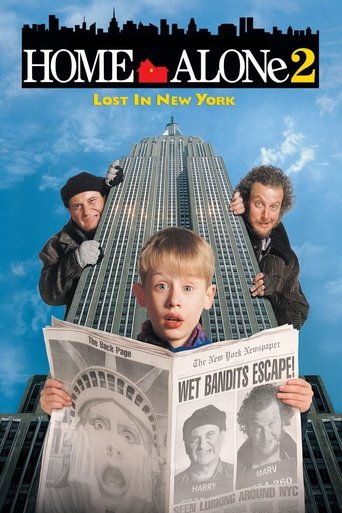 ★ 6.8Home Alone 2: Lost in New York1992
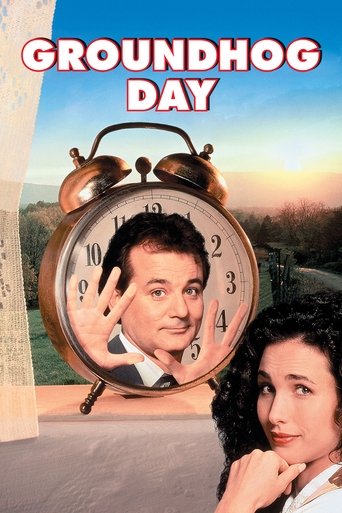 ★ 7.6Groundhog Day1993
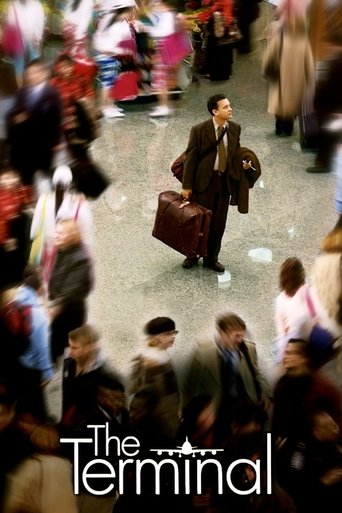 ★ 7.4The Terminal2004
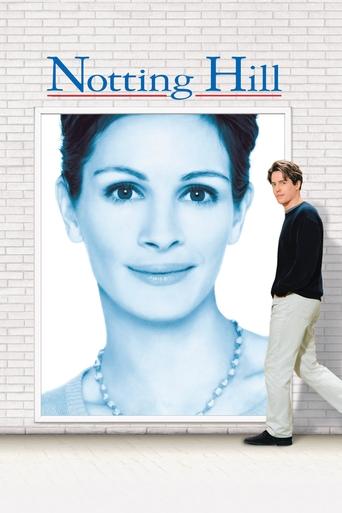 ★ 7.3Notting Hill1999
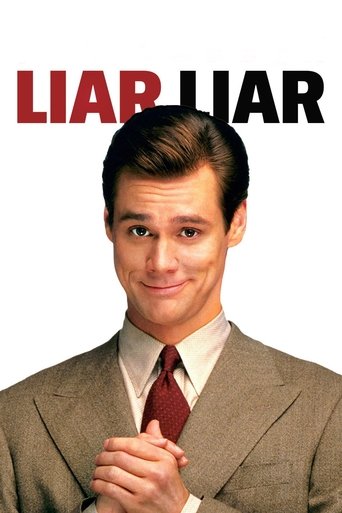 ★ 6.7Liar Liar1997
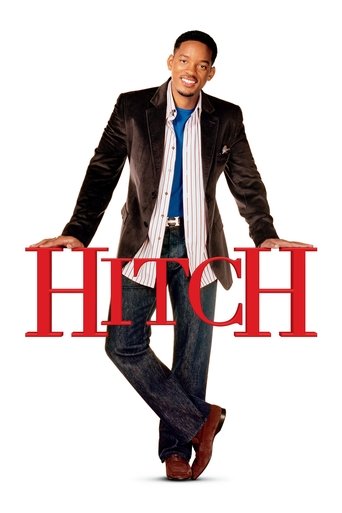 ★ 6.6Hitch2005
 ★ 8.0Before Sunrise1995
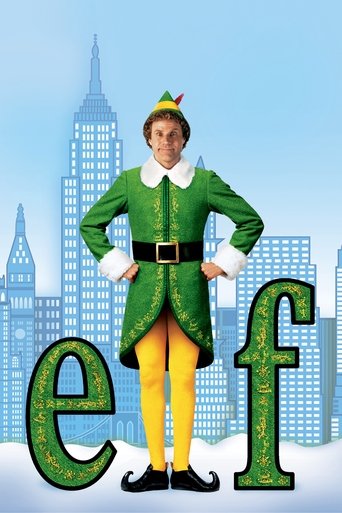 ★ 6.7Elf2003
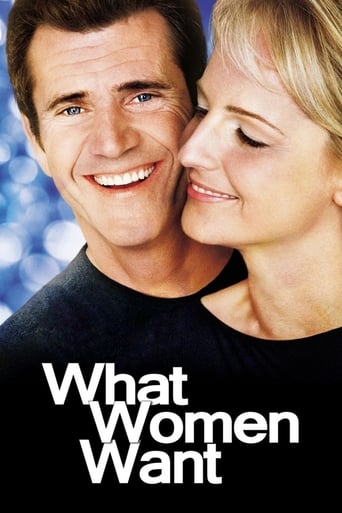 ★ 6.5What Women Want2000
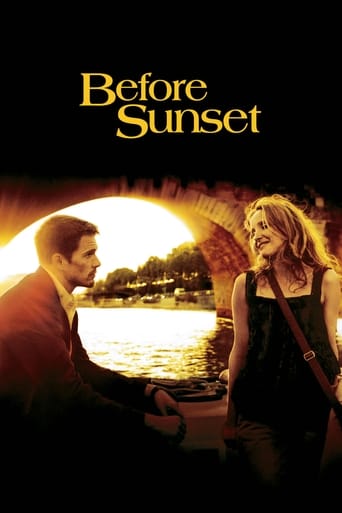 ★ 7.8Before Sunset2004
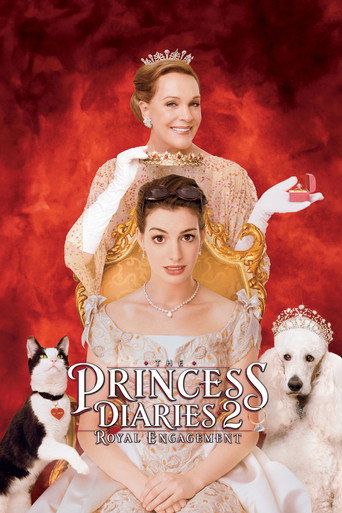 ★ 6.7The Princess Diaries 2: Royal Engagement2004
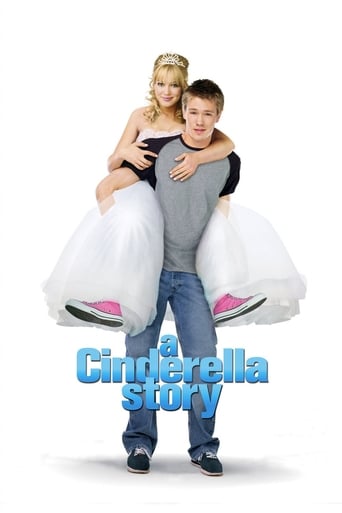 ★ 6.6A Cinderella Story2004
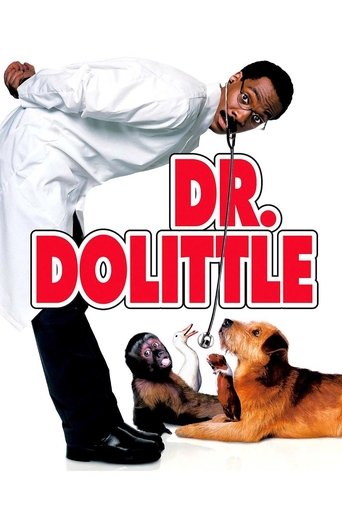 ★ 5.7Doctor Dolittle1998
The 1990sView more (88) »
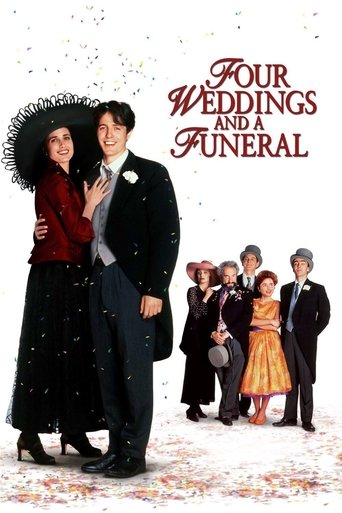 ★ 6.8
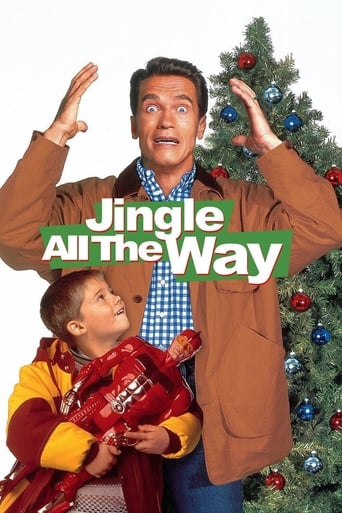 ★ 6.1
 ★ 6.6
 ★ 5.4
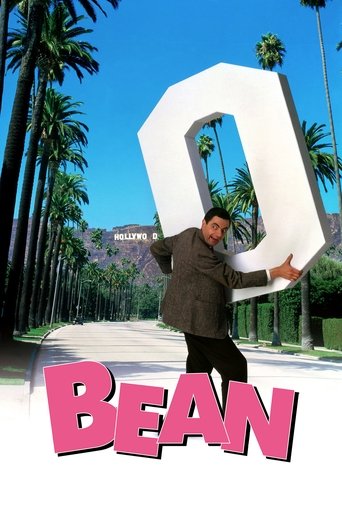 ★ 6.5
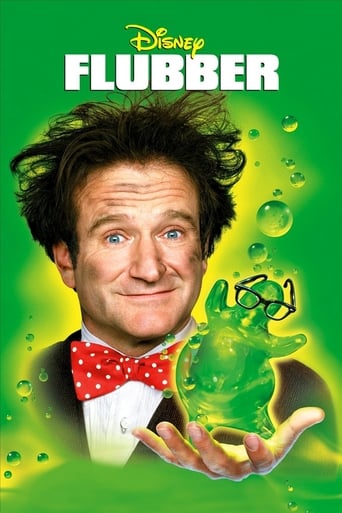 ★ 5.7
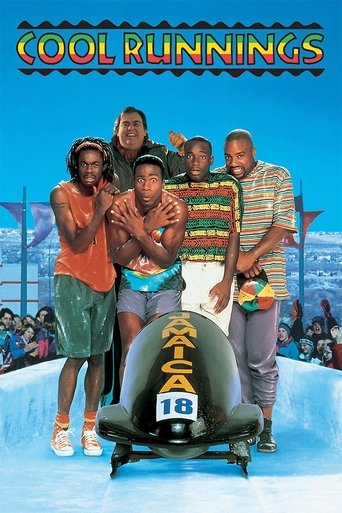 ★ 7.0
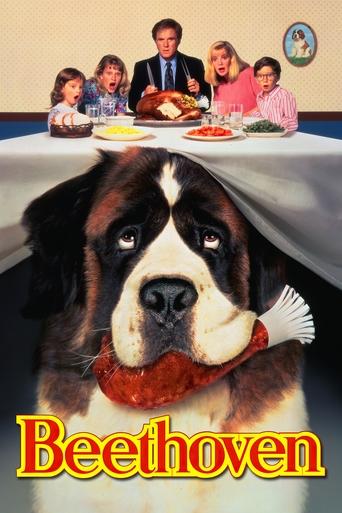 ★ 5.8
2000 to 2005View more (84) »
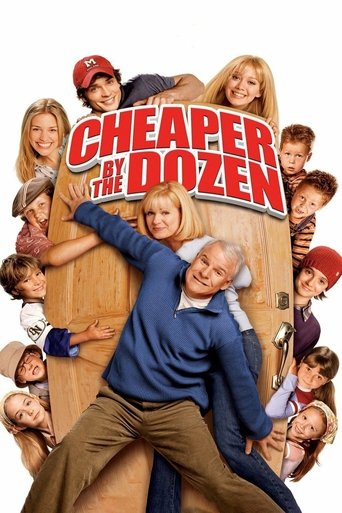 ★ 6.3
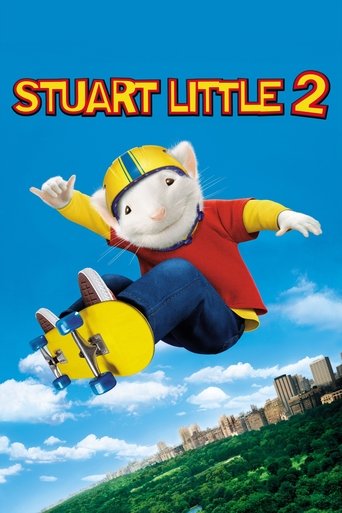 ★ 5.8
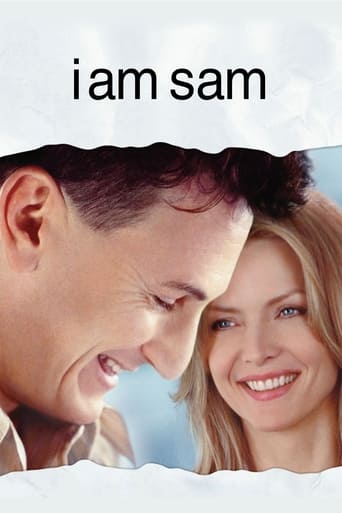 ★ 7.6
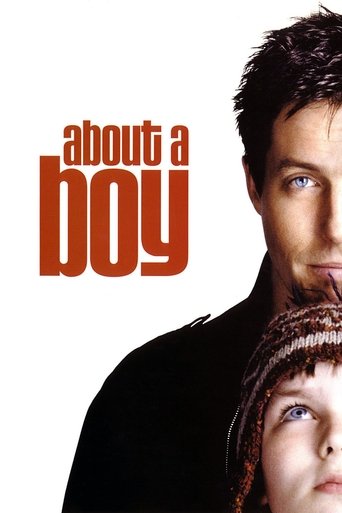 ★ 6.7
 ★ 6.5
 ★ 7.5
 ★ 5.9
 ★ 7.0
FamilyView more (74) »
 ★ 6.2
 ★ 6.3
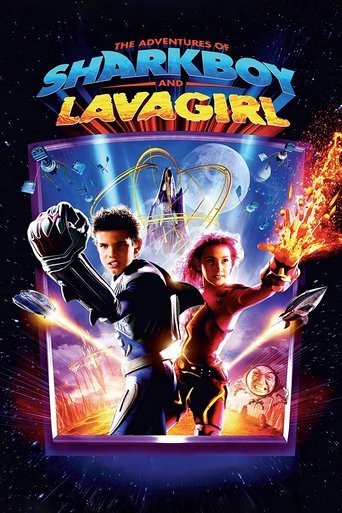 ★ 5.2
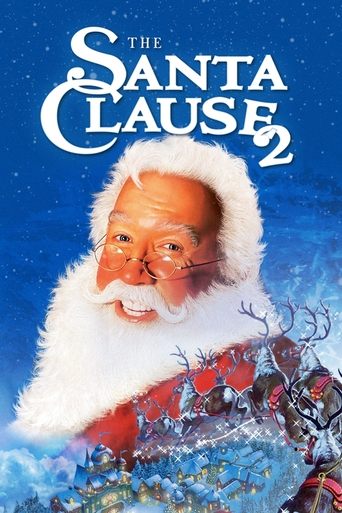 ★ 6.0
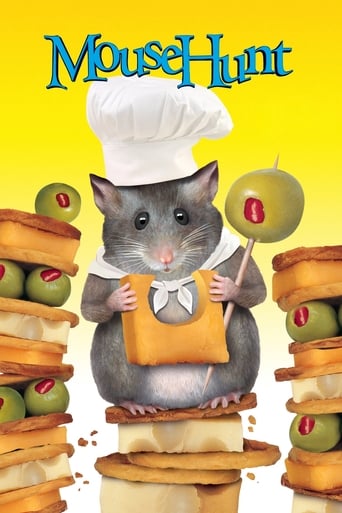 ★ 6.6
 ★ 7.6
 ★ 6.3
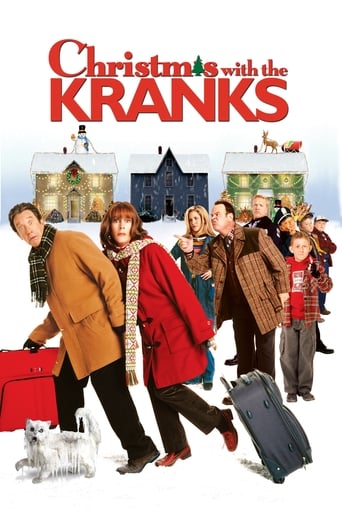 ★ 6.2
RomanceView more (70) »
 ★ 6.1
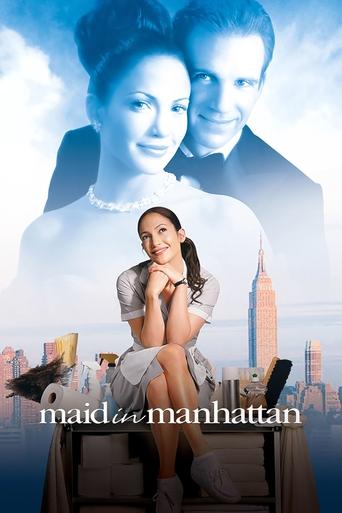 ★ 6.1
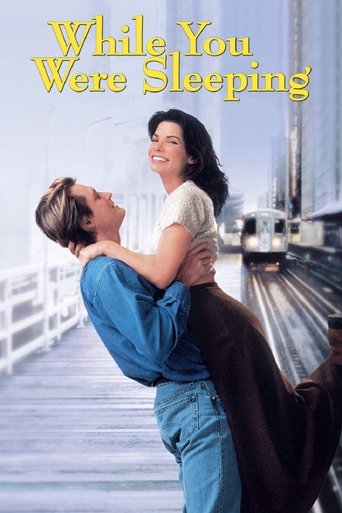 ★ 7.0
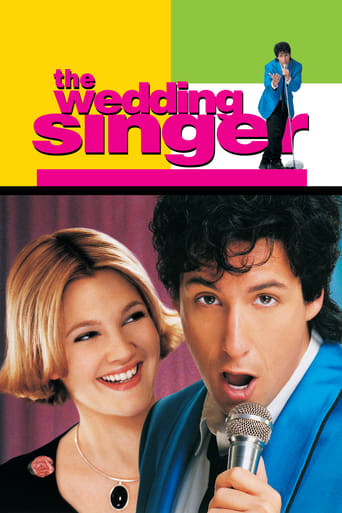 ★ 6.8
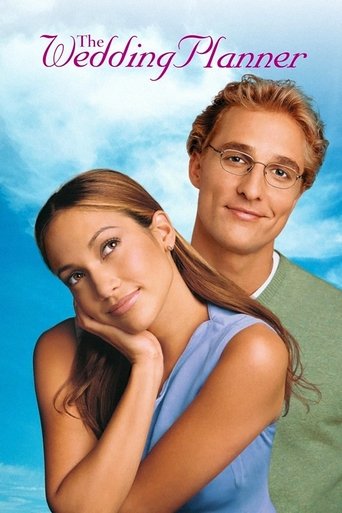 ★ 5.9
 ★ 6.2
 ★ 6.4
 ★ 6.5
SportView more (23) »
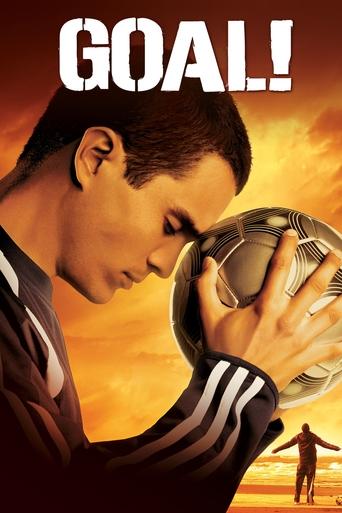 ★ 6.8
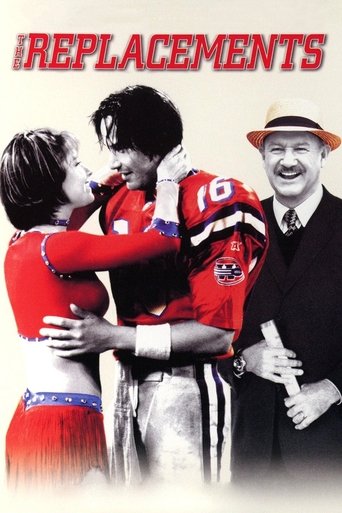 ★ 6.7
 ★ 6.2
 ★ 6.4
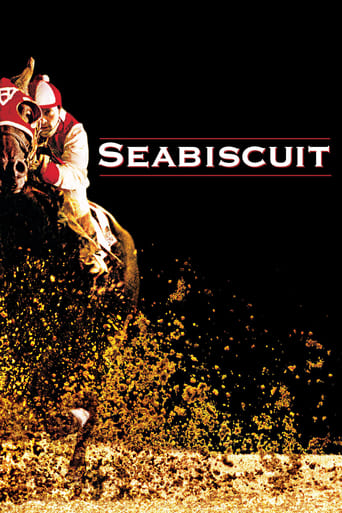 ★ 7.1
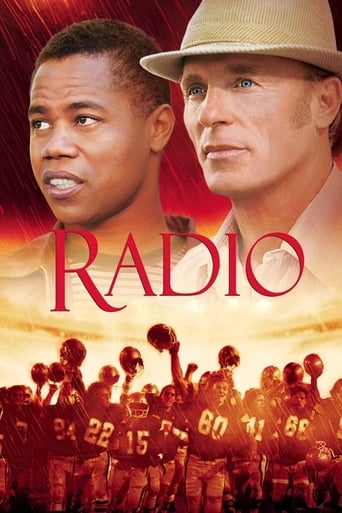 ★ 7.4
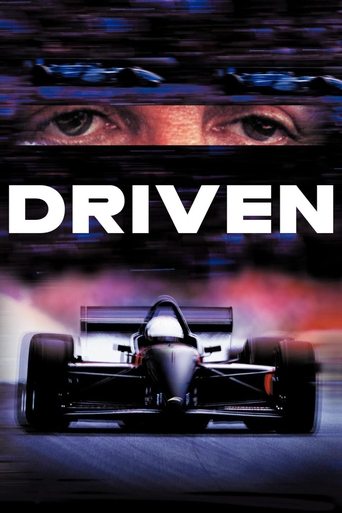 ★ 5.2
 ★ 5.8
Animal storiesView more (25) »
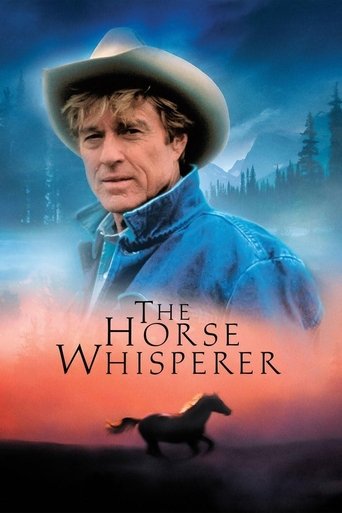 ★ 6.9
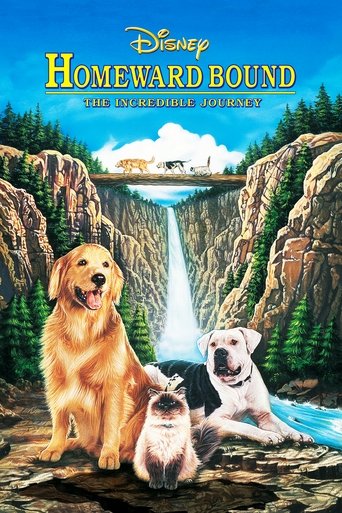 ★ 7.0
 ★ 5.6
 ★ 5.6
 ★ 6.9
 ★ 5.9
 ★ 6.6
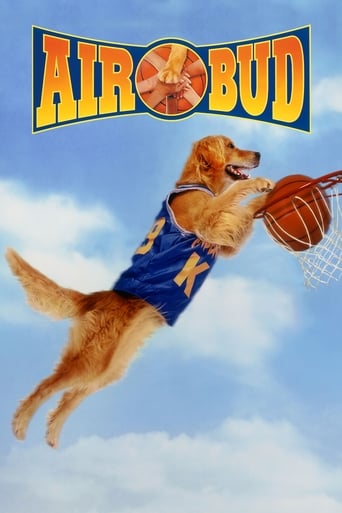 ★ 5.6
Top ratedView more (31) »
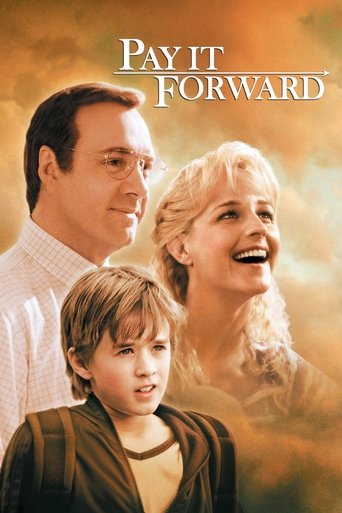 ★ 7.4
 ★ 7.7
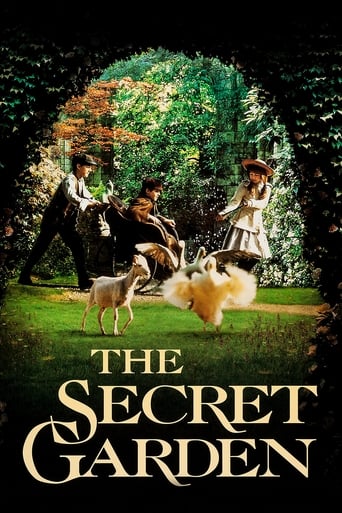 ★ 7.4
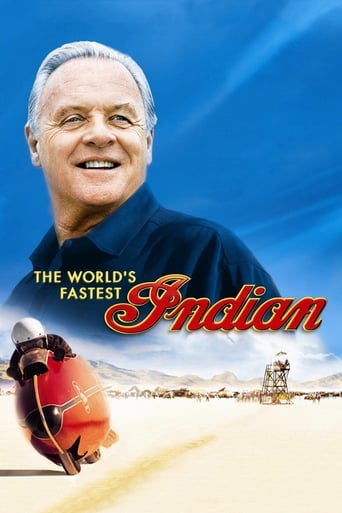 ★ 7.7
 ★ 7.2
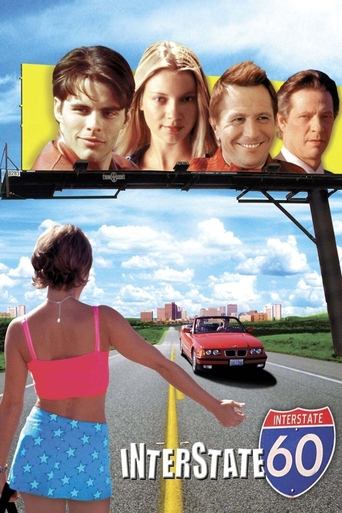 ★ 7.4
 ★ 7.2
 ★ 7.1
The Gototub guide to the video-shop years
Gototub: movies of the video-shop years, 1990 to 2005, from Jurassic Park, Groundhog Day and Notting Hill to A Beautiful Mind, Elf and Hitch
There was a time when choosing a film meant a walk. You went to the shop on the corner, wandered along shelves of plastic cases, turned a few over to read the back, and carried one home under your arm. Gototub is a guide to the films of that time. It holds 172 films released between 1990 and 2005, made by 147 directors and running to 300 hours, and it covers the years when the video shop was at its height and the DVD rack slowly took its place. Every film has a page with its cast, its director, a short summary, its rating and a button that leads to the official services where it can be watched today.
The catalogue divides almost evenly at the turn of the century. Eighty-eight films come from the 1990s and eighty-four from the years 2000 to 2005. Two years show the range of the shelf: 1993 gave us Jurassic Park, Groundhog Day, The Sandlot and Cool Runnings within twelve months, and 2005 closes the collection with twenty-one films, among them Hitch, The World's Fastest Indian and The Family Stone. The oldest films here are Green Card and 3 Men and a Little Lady, both from 1990.
These were friendly years for the kind of film a whole household could agree on. Studios made romantic comedies by the dozen, family adventures with real sets and trained animals, and sports stories that ended with a crowd on its feet. That is the heart of the Gototub catalogue: 127 of the films are comedies of one kind or another, seventy-six are dramas, seventy-four are family films and seventy are love stories. Many belong to two or three of those groups at once, which is exactly why they were rented so often.
This guide walks through the collection shelf by shelf. It begins with how the site works, moves through the two halves of the period, and then visits each of the themed shelves in turn, with a note on the directors and the performers who appear again and again. A set of questions and answers closes the page. If you are new here, the short page on how to watch with Gototub explains the route from a poster to a service in four steps.
How Gototub works
The home page is built like the front of a shop. A white bar across the top carries the green screen mark, the name and the main links. Below it, a white box holds a search field, and under that the shelves begin. Each shelf has its title set in a green tab, a row or two of small posters, and a View more link on the right that shows how many films the full shelf contains. Every poster carries a yellow label in its corner with the film's rating, and the title and year sit on a dark band at the foot.
The first shelf, Most rented, shows the sixteen films that have gathered the most votes from viewers around the world. After it come the 1990s, the years 2000 to 2005, Family, Romance, Sport, Animal stories and Top rated. Each film appears once on the home page, so that eight shelves show you seventy-two different posters; the full shelves behind the View more links hold every film that belongs there.
Click any poster and the film's own page opens. At the top you find the poster, the title, the year of release, the running time and the rating out of ten. A summary of the story follows in two or three sentences, then the director and the leading cast, each name a link that gathers the other Gototub films by the same person. The green Watch now button stands beside a country menu: pick where you live, press the button, and JustWatch opens with the subscription, rental, purchase and free services that carry the film in that country. A second button marked My List puts the film on your personal shortlist, and a row of related films at the foot of the page suggests where to go next.
Gototub is a guide, and it works as a good shop assistant would. It tells you what a film is about, who made it and whether other viewers liked it, and then it points you to the counter where the film is legitimately on offer. The films themselves are played by the services, with their own picture quality, subtitles and accounts.
The search field understands titles, people and years. Type Robin Williams and you receive Jumanji and Flubber. Type 1997 and you see the twelve films of that year. Type a single word such as wedding and six titles line up, from Four Weddings and a Funeral to The Wedding Date. The page called finding titles lists every route into the catalogue, including the A-Z index and the Movies page that sorts all 172 films by popularity.
My List deserves a word. It is your own shortlist of films to see, and it lives in the browser you are using, on the device in your hand. It is ready the moment you open the site, with every film you saved still in place. Add a film and the list updates at once; remove one and it goes just as fast. The list page can also save a copy as a small file, handy when you change phone or computer. The steps are set out on the My List help page.
The 1990s: eighty-eight films
The first half of the catalogue runs from 1990 to 1999, and it has a flavour all of its own. Films of the nineties were shot on celluloid, lit warmly and scored with full orchestras. Their stars were comedians who had learned their craft on television sketch shows, and their stories tended to be about ordinary people whose lives are tipped over by one unusual event.
The decade opens gently. In Green Card, directed by Peter Weir, a French composer played by Gérard Depardieu and a New York gardener played by Andie MacDowell marry for convenience and then have to learn enough about each other to convince the authorities. A year later Steve Martin became the anxious father George Banks in Father of the Bride, Billy Crystal rode out on a cattle drive in City Slickers, and Bill Murray followed his exasperated therapist on holiday in What About Bob?. All three arrived in 1991, along with Doc Hollywood, in which Michael J. Fox plays a young surgeon stranded in a small southern town, and The Commitments, Alan Parker's film about a Dublin soul band.
Then comes 1993, a remarkable year with twelve films on the Gototub shelf. Steven Spielberg's Jurassic Park brought dinosaurs to life with a mixture of full-size puppets and the first truly convincing computer animation, and it remains the most popular film in the catalogue. Sam Neill, Laura Dern and Jeff Goldblum play the scientists invited to inspect the island park built by Richard Attenborough's John Hammond. It is an adventure with real tension, best suited to older children and adults, and its sense of wonder is undimmed.
The same year produced Groundhog Day. Bill Murray plays Phil Connors, a television weatherman sent to the Pennsylvania town of Punxsutawney, who wakes each morning to find that it is the second of February again. Harold Ramis directed, Andie MacDowell plays the producer Rita, and the film has become a byword for any day that seems to repeat. It is funny on a first viewing and wiser on every return, which suits its subject.
Also from 1993 are The Sandlot, a memory of a baseball summer in 1962; Cool Runnings, the story of the Jamaican bobsled team at the Calgary Winter Olympics; Dave, in which Kevin Kline plays an ordinary man asked to stand in for the president; The Secret Garden, Agnieszka Holland's beautiful version of the Frances Hodgson Burnett novel; and Searching for Bobby Fischer, a thoughtful film about a seven-year-old chess player and the adults who want different things for him.
The middle of the decade belongs to romantic comedy. Four Weddings and a Funeral, written by Richard Curtis and directed by Mike Newell, made Hugh Grant a star in 1994. While You Were Sleeping did the same for Sandra Bullock in 1995, and in the same year Richard Linklater's Before Sunrise followed two strangers through one night in Vienna. Families had Jumanji, with Robin Williams released from a board game after twenty-six years, and Homeward Bound: The Incredible Journey, in which two dogs and a cat cross the mountains to find their owners.
The late nineties bring Jim Carrey as a lawyer compelled to tell the truth for a day in Liar Liar, Adam Sandler crooning at receptions in The Wedding Singer, Julia Roberts in My Best Friend's Wedding and Runaway Bride, and finally Notting Hill, in which she plays the most famous actress in the world and Hugh Grant plays the owner of a travel bookshop. Our guide to the 1990s picks out more from each part of the decade, and the full shelf is one click away from the home page.
2000 to 2005: eighty-four films
The second half of the catalogue covers six years, and in that short span the way people watched films at home changed completely. The silver disc replaced the tape. Pictures became sharper, sound became fuller, and every film arrived with a menu, deleted scenes and a commentary. Shops rebuilt their shelves, and the films of these years were made with that second life in mind.
The year 2000 offers nine films. Mel Gibson plays an advertising executive who suddenly hears the thoughts of every woman around him in What Women Want, directed by Nancy Meyers. Christopher Guest's Best in Show follows five sets of owners to a grand dog show in Philadelphia, with much of the dialogue invented on the spot by a cast of gifted improvisers. Keanu Reeves leads a team of stand-in footballers in The Replacements, and the Australian comedy The Dish tells how a radio telescope in a sheep paddock in New South Wales relayed the television pictures of the first Moon landing.
In 2001 came A Beautiful Mind, Ron Howard's film about the mathematician John Nash. Russell Crowe plays Nash from his student days at Princeton through the illness that overtook him and on to the Nobel Prize, with Jennifer Connelly as his wife Alicia. The film won the Academy Award for Best Picture. It is one of the more serious films on Gototub, and it treats its subject with respect and warmth. The same year brought I Am Sam, with Sean Penn as a father with an intellectual disability and a young Dakota Fanning as his daughter, and Serendipity, a New York romance that begins over the last pair of gloves in a department store.
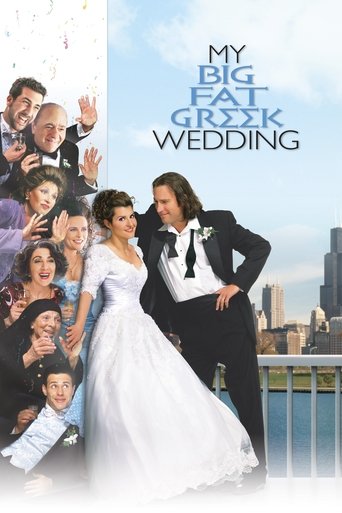
The year 2002 has fifteen films, among them My Big Fat Greek Wedding, written by its star Nia Vardalos and one of the most profitable independent films ever released; About a Boy, from the Nick Hornby novel; Sweet Home Alabama, with Reese Witherspoon; and Drumline, set in the marching band of a southern university. Bob Gale, co-writer of a famous time-travel trilogy, directed the curious road fable Interstate 60, which has quietly earned one of the higher ratings on the site.
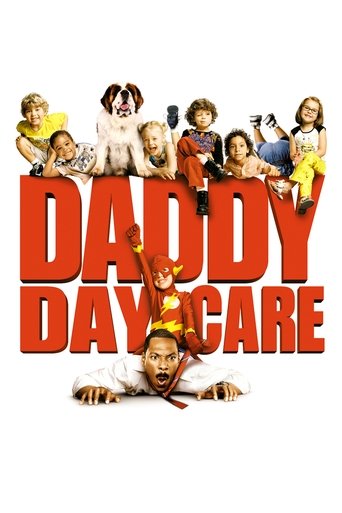
In 2003 Will Ferrell put on yellow tights for Elf and gave December a new tradition. Steve Martin headed a household of twelve children in Cheaper by the Dozen, Eddie Murphy opened a nursery in Daddy Day Care, and Tobey Maguire rode an undersized racehorse into American legend in Seabiscuit. Michael Caine and Robert Duvall played two eccentric uncles on a Texas farm in Secondhand Lions, a film that families discovered on disc and have loved ever since.
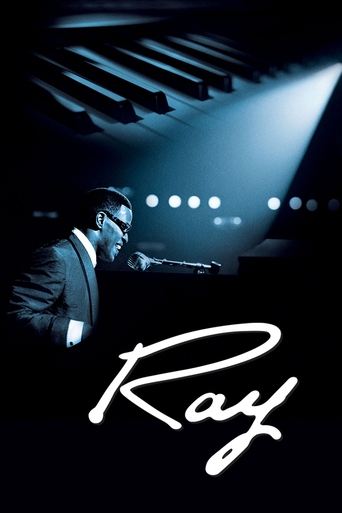
The final two years are the fullest of the period, with eighteen films from 2004 and twenty-one from 2005. Jamie Foxx won the Academy Award for Best Actor as Ray Charles in Ray. Tom Hanks made a home in an airport lounge in The Terminal. Richard Linklater reunited his two travellers in Paris for Before Sunset. Kurt Russell coached the American ice hockey team of 1980 in Miracle. And in 2005 Will Smith played a professional matchmaker in Hitch, Anthony Hopkins took an old motorcycle from New Zealand to the salt flats of Utah in The World's Fastest Indian, and four friends shared one pair of jeans across a summer in The Sisterhood of the Traveling Pants.
The guide to 2000 to 2005 sets these films out year by year. Together with the nineties shelf it accounts for every one of the 172 titles, so a visitor who knows roughly when a half-remembered film came out can usually find it within a minute.
Family viewing: seventy-four films
Family films were the backbone of the video shop. Parents rented them on Friday, children watched them three times before Monday, and the best of them were bought outright and worn thin. Seventy-four films in the Gototub catalogue sit on the Family shelf, and they come in several kinds.
The first kind is the large-scale adventure. Jumanji, directed by Joe Johnston, sends a stampede of animals through a New England house when two children roll the dice of an old board game. Home Alone 2: Lost in New York puts Macaulay Culkin's Kevin on the wrong aeroplane and then in a grand hotel beside Central Park with his father's credit card. Flubber has Robin Williams as a professor who invents a green substance with a mind of its own, and The Flintstones rebuilds the town of Bedrock in stone, with John Goodman as Fred.
The second kind comes from the bookshelf. The Secret Garden follows Mary Lennox from India to a great house on the Yorkshire moors, where she finds a locked garden and a cousin hidden away upstairs. The Borrowers shrinks its heroes to the height of a matchbox. Tuck Everlasting asks a young woman whether she would drink from a spring that grants endless life. Black Beauty lets the horse tell his own story, Madeline brings the smallest girl in a Paris school to the screen, and the 1999 version of Alice in Wonderland fills its cast with famous faces.
The third kind is the comedy of household chaos. Rick Moranis appears as the inventor Wayne Szalinski in Honey, I Blew Up the Kid and Honey, We Shrunk Ourselves. Steve Martin and Bonnie Hunt keep order, more or less, in Cheaper by the Dozen and Cheaper by the Dozen 2. Eddie Murphy talks to his patients in Doctor Dolittle. In MouseHunt, two brothers inherit a mansion and meet the one small tenant who refuses to leave, in a slapstick comedy directed with great style by Gore Verbinski.
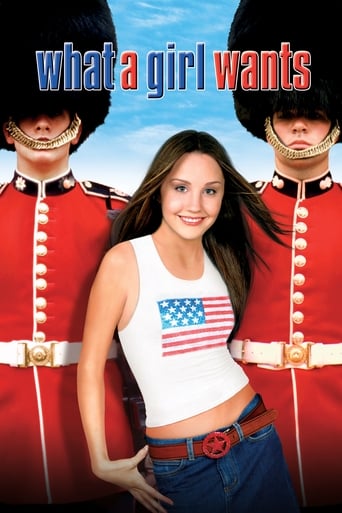
The fourth kind grew up with its audience. In the early 2000s a generation of young stars moved from television to cinema, and Gototub has their films: Hilary Duff in The Lizzie McGuire Movie, A Cinderella Story and The Perfect Man, Amanda Bynes in What a Girl Wants, Anne Hathaway in The Princess Diaries 2: Royal Engagement, and the twins Mary-Kate and Ashley Olsen in Passport to Paris and When in Rome. Add Sleepover, Ice Princess and Now and Then, a tender film about four friends in the summer of 1970, and there are some twenty films here for viewers between ten and fifteen.
Ratings on the yellow labels are a helpful first guide, and each film page adds a summary so that parents can judge the tone for themselves. A few adventures, Jurassic Park among them, carry real suspense and suit older children best. The family viewing guide groups the shelf by age and mood, and suggests a first film for each.
Romance: seventy love stories
If one kind of film defines the years from 1990 to 2005, it is the romantic comedy. The period began with the genre in full bloom and ended with it still filling cinemas every February. Gototub holds seventy love stories, most of them comic, and a viewer could watch one a week for well over a year.
The British entries share a writer. Richard Curtis wrote Four Weddings and a Funeral, in which Hugh Grant's Charles keeps meeting the same American guest at one ceremony after another, and five years later he wrote Notting Hill. In the second film, William Thacker spills orange juice on a stranger in the street and discovers that she is the film star Anna Scott. Roger Michell directs with a light hand, Rhys Ifans steals scenes as the unwashed flatmate Spike, and the walk through the market as the seasons change is one of the loveliest shots of the decade. About a Boy gives Grant a different part, a man living comfortably on his late father's song royalties whose solitary life is invaded by a twelve-year-old.
The American entries have a geography of their own. New York hosts Serendipity, One Fine Day, Maid in Manhattan, Kate & Leopold and Hitch. Chicago has While You Were Sleeping, in which Sandra Bullock's Lucy, who collects fares on the elevated railway, is mistaken for the fiancée of a man in a coma and falls for his brother, and My Best Friend's Wedding, with Julia Roberts in pursuit of an old flame and Rupert Everett as her wise confidant. The South has Sweet Home Alabama, Hope Floats and Runaway Bride, where Roberts and Richard Gere are reunited by the director Garry Marshall.
Weddings themselves are a running subject. Jennifer Lopez arranges them in The Wedding Planner, Adam Sandler sings at them in The Wedding Singer, Debra Messing hires an escort for one in The Wedding Date, and an entire Greek family in Chicago organises one in My Big Fat Greek Wedding. Gurinder Chadha moved Jane Austen to Amritsar for Bride & Prejudice, complete with songs.
Two films stand apart from the comedies. Before Sunrise has an American, Jesse, and a French student, Céline, meet on a train and step off together in Vienna, where they walk and talk until dawn. Before Sunset finds them nine years later with a single afternoon in Paris before his flight leaves. The second film runs to just eighty minutes and unfolds almost in real time. Ethan Hawke and Julie Delpy helped to write it, and both films hold ratings close to eight out of ten, among the highest on Gototub.
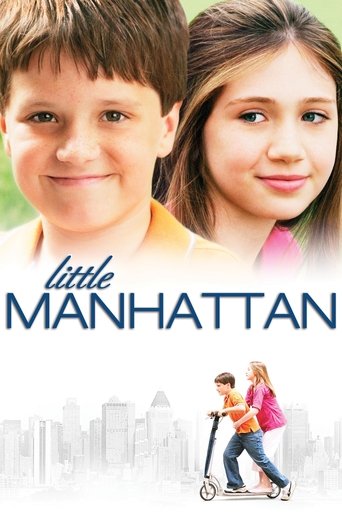
Younger love has a place too. Little Manhattan tells of a ten-year-old boy on the Upper West Side who falls for a girl in his karate class, and it captures a first crush with unusual honesty. A Cinderella Story, The Prince & Me, Chasing Liberty and First Daughter give the fairy tale a modern setting; the last two, by coincidence, both concern the daughter of an American president and were released in the same year. The romance guide sorts all seventy films by city and by mood.
Sport: twenty-three films
Sports films follow a pattern that audiences are glad to see repeated: an unlikely team, a hard season, a final game. The years covered by Gototub produced some of the best loved, and the Sport shelf holds twenty-three of them, across baseball, football, ice hockey, golf, tennis, horse racing, bobsleigh, basketball, figure skating, motor racing and chess.
Several are true. Cool Runnings is based on the Jamaican bobsled team that surprised the world at Calgary in 1988, with John Candy as their coach in one of his last roles. Miracle recreates the American ice hockey victory over the Soviet team at Lake Placid in 1980, with Kurt Russell as the demanding coach Herb Brooks. Seabiscuit tells of the small, crooked-legged horse who became a national hero in the 1930s. The Greatest Game Ever Played, directed by the actor Bill Paxton, follows the amateur Francis Ouimet, a former caddie, to the United States Open of 1913. Radio is the story of a high school football coach in South Carolina and the young man he befriends, and Searching for Bobby Fischer is drawn from the childhood of the chess prodigy Josh Waitzkin.
Baseball has the largest share. The Sandlot is narrated by a man looking back on the summer he moved to a new town, joined eight boys on a dusty field and lost a ball signed by Babe Ruth over a fence guarded by an enormous dog. It holds a rating of 7.6 and has been handed from parents to children for three decades. Rookie of the Year imagines a twelve-year-old pitching for the Chicago Cubs, and For Love of the Game, directed by Sam Raimi, spends a single game inside the head of a veteran pitcher played by Kevin Costner. Costner appears again as a driving-range professional with a dangerous taste for the difficult shot in Tin Cup.
Football, in both its forms, is here. The American kind supplies The Replacements and Little Giants, where two brothers coach rival children's teams. The other kind supplies Goal!, about a young player from Los Angeles given a trial at Newcastle United; Kicking & Screaming, with Will Ferrell as a mild man turned fierce on the touchline of his son's team; and Fever Pitch, the British film of 1997 in which Colin Firth plays a teacher whose calendar is ruled by Arsenal's fixtures.
The remaining films fill out the fixture list: Wimbledon for tennis, Ice Princess for figure skating, Like Mike and Air Bud for basketball, Driven for motor racing, D3: The Mighty Ducks for school ice hockey, and Dreamer: Inspired By a True Story and Racing Stripes for the racecourse. The sport guide arranges them by game.
Animal stories: twenty-five films
Before computer animation made every creature possible, a film with an animal in the lead meant months of patient work with trainers, and the results had a charm of their own. Twenty-five films on Gototub put an animal at the centre.
Dogs lead the pack. Beethoven introduced a St Bernard who grows from a stray puppy into a very large member of the Newton household, to the despair of the father played by Charles Grodin. The catalogue holds four films from that series: the original, Beethoven's 2nd, Beethoven's 4th and Beethoven's 5th. My Dog Skip, from the memoir by Willie Morris, is set in a Mississippi town in the 1940s and tells how a terrier brought a shy boy out of himself. Because of Winn-Dixie has a ten-year-old girl adopt a scruffy dog she meets in a supermarket and, through him, make friends across a Florida town. Air Bud gives a golden retriever a gift for basketball, and Snow Dogs sends a Miami dentist to Alaska to claim a team of sled dogs.
Homeward Bound: The Incredible Journey is the pick of the shelf for many families. Shadow, an old golden retriever, Chance, a young bulldog, and Sassy, a Himalayan cat, believe their family has left them behind and set out across the Sierra Nevada to find them. Don Ameche, Michael J. Fox and Sally Field supply the voices, and the reunion in the final minutes has dampened a great many sleeves. The sequel, Homeward Bound II: Lost in San Francisco, moves the three friends to the city.
Horses come next, in Black Beauty, Seabiscuit, Dreamer: Inspired By a True Story and The Horse Whisperer, Robert Redford's long, handsome film about a Montana rancher who helps a girl and her horse recover after an accident. At 169 minutes it is the longest film in the catalogue. Flipper has a dolphin, Racing Stripes a zebra, Stuart Little 2 a mouse in a red roadster, and Best in Show a ring full of pedigree dogs and their devoted owners. The animal stories guide lists them by species.
Music and dance: twelve films
The Music shelf is the smallest but one on Gototub, and one of the most rewarding. Twelve films put a band, a singer or a dancer at the centre, and several of them carry soundtracks that outsold the film itself.
Two are portraits of real musicians. Ray follows Ray Charles from a childhood in rural Florida, where he lost his sight at seven, to the concert halls and recording studios where he blended gospel, blues and country into something new. Taylor Hackford directs, and Jamie Foxx, who plays the piano himself in the film, gives a performance of astonishing detail. Selena tells the story of the Texan singer Selena Quintanilla, who rose from her family's band to fill the Houston Astrodome. Jennifer Lopez plays her with enormous warmth, Edward James Olmos plays her father, and the film holds a rating of 7.7.
Three films are about bands of very different kinds. In The Commitments, a young Dubliner assembles a soul group from the unemployed musicians of his neighbourhood; the cast were chosen for their voices and the songs were recorded live. In Brassed Off, the brass band of a Yorkshire coal town plays on towards a national final at the Royal Albert Hall while the future of the pit is decided, with Pete Postlethwaite as the conductor and Ewan McGregor on tenor horn. In Drumline, a gifted drummer from Harlem learns that a marching band of two hundred needs discipline as much as talent.
Dance has Strictly Ballroom, the first film by the Australian director Baz Luhrmann, in which a young champion breaks the federation's rules with steps of his own and finds a new partner in a beginner; and Center Stage, set among the students of a New York ballet academy. Mr. Holland's Opus gives Richard Dreyfuss thirty years in a school music room, and The Wedding Singer wraps its love story in the pop songs of 1985. The music and dance guide covers all twelve.
Christmas: ten films
Every video shop cleared a shelf near the door in late November, and Gototub keeps one all year. It holds ten films.
Elf is the modern classic. Buddy, raised at the North Pole by Santa's helpers, learns at the age of thirty that he is human and walks to New York to find his father, a children's book publisher played by James Caan. Will Ferrell plays Buddy with complete sincerity, Jon Favreau directs with old-fashioned camera tricks in place of digital effects, and Bob Newhart narrates as Papa Elf. Home Alone 2: Lost in New York repeats the formula of the first film on a larger stage, and the 1994 Miracle on 34th Street casts Richard Attenborough as a department-store Santa who may be the real one.
The others take the season from different angles. Arnold Schwarzenegger hunts for the last Turbo Man doll in Jingle All the Way. Tim Allen must find a wife before Christmas Eve in The Santa Clause 2, and in Christmas with the Kranks, based on a short novel by John Grisham, he and Jamie Lee Curtis decide to skip the holiday and find that the neighbours have other ideas. The Family Stone gathers a large New England family for the holiday and the eldest son's nervous fiancée with them. Just Friends, I'll Be Home for Christmas and While You Were Sleeping complete the set. The Christmas guide suggests an order for the month.
Adventure and fantasy: fifty-one films
Fifty-one films carry an element of adventure or the fantastic, from prehistoric islands to enchanted games, and they form the third largest shelf. The nineties had a particular fondness for what the trade called the high concept, a story that could be explained in a single sentence.
A weatherman lives the same day over and over: Groundhog Day. A lawyer is unable to lie for twenty-four hours: Liar Liar. A busy man has himself copied, and the copies make copies: Multiplicity, also by Harold Ramis. An image consultant meets himself at the age of eight: The Kid, with Bruce Willis. A mechanic sees a light in the sky and wakes up a genius: Phenomenon, with John Travolta. A test pilot frozen in 1939 thaws in 1992: Forever Young. A duke falls through a gap in time from 1876 to modern Manhattan: Kate & Leopold. Each idea is simple, and each film uses it to say something kind about how to live.
Elsewhere the shelf is pure adventure. The Jungle Book of 1994 is a live-action telling with Jason Scott Lee as a grown Mowgli. Lost in Space sends the Robinson family through a gateway between the stars, and Thunderbirds launches the rescue machines of Tracy Island. The Librarian: Quest for the Spear gives a perpetual student the job of guarding the world's hidden treasures. MirrorMask, designed by the illustrator Dave McKean from a story by Neil Gaiman, sends a circus girl into a world drawn from her own sketchbook. The adventure and fantasy guide separates the wishes from the journeys.
True stories
A good number of films in the catalogue are drawn from real lives, and they include most of its highest ratings. Something the Lord Made shares the top of the Top rated shelf at 8.0. Made for television in 2004, it tells of the partnership between the surgeon Alfred Blalock and Vivien Thomas, a carpenter's son with a brilliant pair of hands, who together devised an operation on the hearts of infants at Johns Hopkins in the 1940s. Alan Rickman and Yasiin Bey play the two men, and the film honours a contribution that went unrecognised for decades.
The World's Fastest Indian is the story of Burt Munro of Invercargill, at the southern tip of New Zealand, who spent years tuning a 1920 Indian motorcycle in his shed and in his sixties took it to the Bonneville salt flats to set a speed record. Anthony Hopkins has called it one of his favourite roles, and the film, rated 7.7, is as good-natured as its hero. A Beautiful Mind, Ray, Selena, Miracle, Seabiscuit, Radio, Cool Runnings and The Dish belong in the same company, as does The Terminal, which was suggested by the case of a traveller who lived for years in a Paris airport.
These films reward a little reading afterwards, since each took some liberties for the sake of the story. The true stories guide gathers them by subject: science and medicine, speed, music and small towns.
British, Irish and Australian films
Most of the catalogue is American, but a distinct corner comes from elsewhere in the English-speaking world, and it travelled well on tape. From Britain come the Richard Curtis comedies, together with Bean, which he co-wrote for Rowan Atkinson and which sends the silent menace to California in charge of a famous painting. There are literary adaptations, Jane Eyre by Franco Zeffirelli, Patricia Rozema's lively Mansfield Park and Oliver Parker's The Importance of Being Earnest with Rupert Everett, Colin Firth and Judi Dench, and there are the two Nick Hornby stories, Fever Pitch and About a Boy.
Ireland is represented by The Commitments, and Australia by Strictly Ballroom and The Dish, two comedies with a dry national humour and a great deal of heart. New Zealand supplies the hero and much of the landscape of The World's Fastest Indian. The guide to British and Irish films maps this corner of the shelf.
Directors and stars
One pleasure of a catalogue limited to sixteen years is that the same names keep returning, and you can watch a career take shape. Gototub has 147 directors for its 172 films, so most appear once, but a few were clearly at home in this kind of cinema.
Jon Turteltaub and Brian Levant lead with four films each. Turteltaub made Cool Runnings, While You Were Sleeping, Phenomenon and The Kid, four warm-hearted films in four different genres. Levant specialised in family comedy with Beethoven, The Flintstones, Jingle All the Way and Snow Dogs. Les Mayfield and Wayne Wang have three apiece, and Steven Spielberg, Richard Linklater, Harold Ramis, Garry Marshall and Andy Tennant each have two. Tennant's pair, Sweet Home Alabama and Hitch, were among the biggest romantic comedies of their years.
Among the performers, four appear in four films each. Andie MacDowell is the gardener of Green Card, the producer of Groundhog Day, the American guest of Four Weddings and a Funeral and the puzzled wife of Multiplicity. Steve Martin moves from the dreamy weatherman of L.A. Story to the harassed fathers of his later comedies. Sam Neill travels from Jurassic Park to The Horse Whisperer, The Dish and Wimbledon. Rick Moranis, who retired from the screen soon afterwards, is here in two inventor comedies, The Flintstones and Little Giants. Michael J. Fox also reaches four if you count his voice work as Chance the bulldog and Stuart the mouse.
Julia Roberts, Hugh Grant, Jennifer Lopez, Colin Firth, Kurt Russell, Tim Allen, Cuba Gooding Jr., Dermot Mulroney and Zoe Saldaña each appear three times. Saldaña's three, Center Stage, Drumline and Guess Who, show a future star at the very start. Every name on a film page is a link, and the guide to the stars offers a starting point for the most frequent faces.
The top rated shelf
Thirty-one films hold a rating of 7.0 or higher from a meaningful number of voters, and they form the Top rated shelf. Three share the summit at 8.0: Something the Lord Made, Jurassic Park and Before Sunrise. A Beautiful Mind follows at 7.9 and Before Sunset at 7.8. Then come The World's Fastest Indian and Selena at 7.7, The Sandlot, I Am Sam and Groundhog Day at 7.6, and Ray at 7.5.
Below those the shelf becomes a list of quiet favourites. The Secret Garden, Pay It Forward, Radio, Interstate 60 and The Terminal sit around 7.4. The Commitments, The Greatest Game Ever Played, Notting Hill, Jumanji, Secondhand Lions and Little Manhattan are a step behind, and Miracle, Searching for Bobby Fischer, Dreamer: Inspired By a True Story, Seabiscuit, While You Were Sleeping, Cool Runnings, Homeward Bound: The Incredible Journey, Mr. Holland's Opus and Brassed Off round out the thirty-one.
A rating is an average of many opinions, and comedies in particular tend to score a little lower than dramas whatever their quality. Plenty of films just under the line, What About Bob? at 6.9, Tommy Boy and Big Night among them, give as much pleasure as anything above it. Treat the yellow label as a friendly hint and the summary as the deciding vote.
Planning an evening
A catalogue of 172 films is small enough to know well and large enough to keep surprising you. The average film on Gototub runs for about an hour and three quarters, a comfortable length for a weeknight. The shortest, Dennis the Menace Strikes Again!, is over in seventy-one minutes, and forty-four run under ninety-five minutes, useful when younger viewers have a bedtime.
For a double bill, pairs suggest themselves. Watch Before Sunrise and Before Sunset back to back and nine years pass in three hours. Follow Four Weddings and a Funeral with Notting Hill for an evening of Richard Curtis. Pair Cool Runnings with Miracle for two Winter Olympics, The Sandlot with Rookie of the Year for a baseball afternoon, or Jumanji with Flubber for a Robin Williams matinee. In December, begin with Elf and work through the Christmas shelf at a rate of two a week.
My List makes this easy. Add films as you browse, open the list on the evening itself, and the choice is already narrowed to the titles you wanted. A film leaves the list with one press of Remove once you have seen it.
What a film page tells you
Take Secondhand Lions as an example. Its page opens with the poster of two old men on a porch, the year 2003, a running time of 111 minutes and a rating of 7.2. The summary explains that a shy boy is left for the summer with two great-uncles who are rumoured to have a fortune hidden on their farm. Under it, Tim McCanlies is credited as director, and Michael Caine, Robert Duvall and Haley Joel Osment head the cast list. Press Osment's name and Pay It Forward and Bogus appear beside it. Choose a country, press the green button, and the services carrying the film in that country are listed with their prices. One more press adds the film to My List for the weekend.
Questions and answers
Questions
What is Gototub?
Gototub is a guide to 172 films released between 1990 and 2005. Each film has a page with its cast, director, summary and rating, and a Watch now button that opens the official services carrying it in your country.
Which years does the catalogue cover?
It covers sixteen years, from 1990 to 2005. Eighty-eight films come from the 1990s and eighty-four from 2000 to 2005.
How do I watch a film?
Open the film page, choose your country in the menu beside the green button and press Watch now. JustWatch then lists the subscription, rental, purchase and free services that offer the film where you live.
Which film is the most popular?
Jurassic Park, released in 1993, has the most votes of any film in the catalogue, followed by other favourites on the Most rented shelf at the top of the home page.
Which films are rated highest?
Something the Lord Made, Jurassic Park and Before Sunrise share the top at 8.0, followed by A Beautiful Mind at 7.9 and Before Sunset at 7.8. The Top rated shelf lists all thirty-one films at 7.0 or higher.
Is Gototub suitable for families?
Yes. The catalogue was chosen by hand with household viewing in mind, and seventy-four films sit on the Family shelf. Each page carries a summary so that parents can judge the tone of a film for themselves.
What is My List?
My List is your personal shortlist of films to see. It is kept in your browser on your device, it updates the moment you add or remove a film, and the list page can save a copy as a file.
How do I find a film whose title I have forgotten?
Search for a performer, a director or the year you think it came out. You can also browse the 1990s shelf or the 2000 to 2005 shelf, or scan the A-Z page.
Where does the information come from?
Posters, ratings, casts and production details come from TMDB. The guide on this page and the fifteen help pages are written by the Gototub editorial team.
Does Gototub cover television series?
Gototub is a film guide, and all 172 titles are feature films or films made for television, each complete in a single sitting.
